Chicken Francaise vs. Piccata: Unveiling Their Delicious Differences
In the culinary world, few dishes evoke such a delightful blend of simplicity and sophistication as classic chicken cutlets coated in a zesty, flavorful sauce. Among these, Chicken Francaise and Chicken Piccata often stand side-by-side, both celebrated for their bright lemon notes and tender chicken. However, despite their shared popularity and occasional confusion, these two Italian-American restaurant staples possess distinct characteristics that set them apart. This article will slice through the mystery, helping you appreciate the unique charm of each, with a special focus on the golden perfection that is Chicken Francaise.
Understanding the Allure of Chicken Francaise
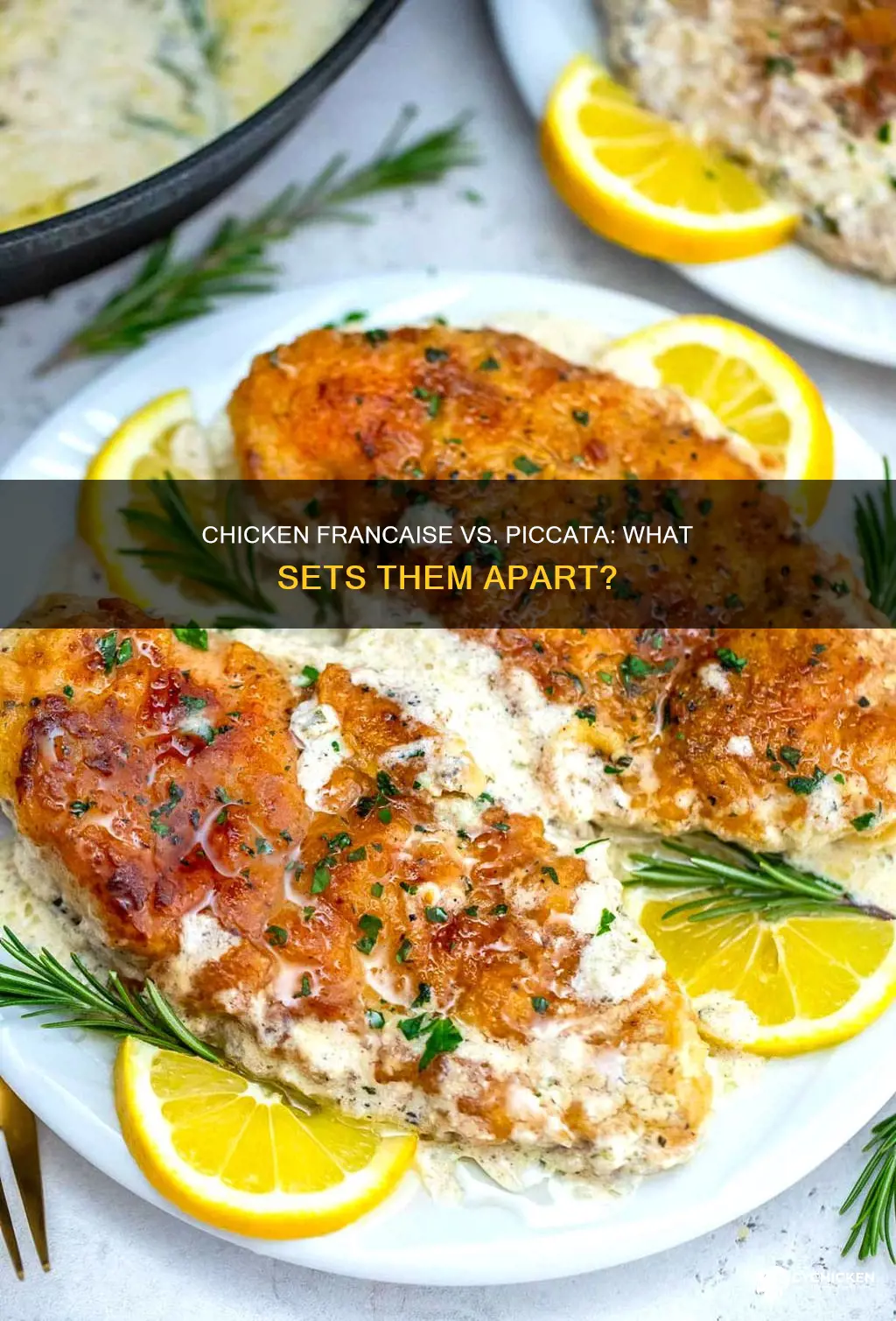
Let's start by shining a spotlight on Chicken Francaise, a dish that has captivated palates for decades. Known by various names like Chicken Francese, this dish is a testament to the magic that happens when simple ingredients are expertly combined. It features thinly pounded chicken cutlets, coated in a delicate egg batter, pan-fried to a beautiful golden crisp, and then bathed in a rich, velvety lemon butter sauce. The result is an irresistible symphony of textures and flavors that feels both indulgent and surprisingly light.
Contrary to what its name might suggest, Chicken Francaise is not a French creation. It's widely believed to be an Italian-American innovation, born in the bustling kitchens of New York as Italian immigrants adapted traditional recipes to American tastes. This fusion of culinary cultures gave us a dish that’s easy to love and even easier to prepare at home, delivering that coveted restaurant-quality experience right to your dining table.
Why is Chicken Francaise such a beloved dish? Its appeal lies in several key factors:
- Effortless Elegance: Despite its gourmet appearance, it requires only a handful of common pantry staples and a straightforward cooking method.
- Perfect Harmony: It strikes an exquisite balance between a rich, savory sauce and a bright, tangy lemon finish, complemented by the satisfying crispness of the chicken.
- Speed and Simplicity: You can have this delectable meal ready in under 40 minutes, making it an ideal choice for weeknights or impromptu gatherings. For a detailed guide on how to master this dish quickly, check out our article on Master Restaurant-Quality Chicken Francaise in Under 40 Minutes.
The Anatomy of a Perfect Chicken Francaise
Creating an authentic Chicken Francaise involves specific steps and ingredients that contribute to its signature profile. Here’s a closer look:
Key Ingredients for Success:
- Chicken Breasts: Boneless, skinless, and uniformly pounded thin are crucial for even cooking and tender results. Aim for about ½-inch thickness.
- The Dredge: Unlike many pan-fried chicken dishes, Chicken Francaise uses a unique flour-then-egg coating. The initial dredge in all-purpose flour helps the egg wash adhere better, creating a delicate yet distinct crust. The egg wash, often enhanced with a splash of milk or a touch of seasoning like garlic powder and paprika, is what gives the chicken its characteristic golden hue and tender exterior.
- Butter & Oil: A combination of these is essential for pan-frying the chicken to perfection without burning the butter.
- White Wine: A dry white wine, such as Chardonnay, is typically used for deglazing the pan. This step is vital for scraping up all the flavorful browned bits (fond) from the bottom of the skillet, which forms the foundation of the sauce. For those who prefer not to use alcohol, extra chicken broth with a splash of apple cider vinegar makes an excellent substitute.
- Chicken Broth: Forms the primary liquid base of the luscious sauce.
- Fresh Lemon Juice & Slices: The undisputed star of the sauce, providing that iconic bright, zesty tang. Freshly squeezed lemon juice makes all the difference.
- Fresh Parsley: A final sprinkle adds freshness, color, and a subtle herbaceous note.
The Sauce: A Velvety Masterpiece:
The lemon butter sauce is where Chicken Francaise truly shines. It’s thicker and richer than many other lemon-based sauces, created by deglazing the pan with white wine, simmering with chicken broth and fresh lemon juice, and then emulsifying with cold butter whisked in at the end. This technique gives the sauce its silky texture and glossy finish, making it perfect for spooning over the chicken and any accompanying sides.
Practical Tips for Home Cooks:
- Pounding Chicken: Use plastic wrap to prevent mess and ensure even thickness. This is key for uniform cooking.
- Dredging Discipline: Ensure excess flour is shaken off before dipping into the egg. For an extra crispy crust, some chefs even recommend a double flour-egg dredge.
- Don't Crowd the Pan: Fry chicken in batches to maintain consistent heat and achieve a beautiful golden crust.
- Build the Sauce in Layers: Don't rush the deglazing or simmering process. Each step adds depth to the final sauce.
- Whisk in Cold Butter: Adding cold butter off the heat at the end helps to emulsify the sauce, making it incredibly smooth and glossy without splitting.
For more detailed ingredient guidance and easy substitutions, explore our Homemade Chicken Francaise: Easy Recipe & Pantry Staples Guide.
Chicken Piccata: The Zesty, Briny Relative
Now, let's turn our attention to Chicken Piccata. While sharing the lemon-butter sauce foundation with Chicken Francaise, Piccata boasts a distinct personality, primarily defined by one key ingredient: capers.
Chicken Piccata typically involves thin chicken cutlets, often dredged lightly in flour (sometimes without the egg wash), pan-fried until golden, and then served with a bright, thinner sauce made from lemon juice, white wine (or broth), and plenty of briny capers. Sometimes a touch of butter and fresh parsley finish the dish. Originating more directly from Italy, Piccata's sauce is known for its sharper tang and the savory bursts of flavor from the capers.
Francaise vs. Piccata: A Head-to-Head Comparison
To truly appreciate the nuances, let's put Chicken Francaise and Chicken Piccata side-by-side:
- The Coating:
- Chicken Francaise: Features a distinct flour-then-egg dredge, which creates a thicker, crispier, and more prominent golden crust.
- Chicken Piccata: Typically uses a simple flour dredge, or sometimes no dredge at all, resulting in a softer crust that allows the chicken's texture to shine through more directly.
- The Sauce:
- Chicken Francaise: The sauce is richer, often thicker, and silkier, a pure celebration of lemon and butter with the depth of white wine and chicken broth. It's velvety and coats the back of a spoon.
- Chicken Piccata: The sauce is generally lighter and brighter, characterized by its vibrant lemon flavor, often a bit more tart, and the unmistakable addition of salty, briny capers.
- Signature Ingredient:
- Chicken Francaise: Its signature is the combination of the eggy, golden crust and the rich, emulsified lemon-butter sauce.
- Chicken Piccata: Its definitive ingredient is capers, which provide a unique briny and tangy counterpoint to the lemon.
- Origin:
- Chicken Francaise: An Italian-American invention, particularly strong in the Northeastern U.S.
- Chicken Piccata: A classic Italian dish with roots in Italy.
- Flavor Profile:
- Chicken Francaise: Rich, savory, deeply lemony, with a comforting, velvety feel.
- Chicken Piccata: Zesty, tangy, and briny, offering a sharper, more assertive flavor.
Serving Suggestions for Your Culinary Creations
Whether you opt for the opulent richness of Chicken Francaise or the zesty zing of Chicken Piccata, both dishes are incredibly versatile when it comes to pairings:
- Pasta: Both are excellent served over delicate pasta like angel hair or fettuccine, allowing the delicious sauce to coat every strand.
- Potatoes: Creamy mashed potatoes or roasted potato wedges are fantastic for soaking up every drop of the sauce.
- Crusty Bread: A warm, crusty baguette is practically mandatory for dipping into any leftover sauce.
- Vegetables: Lightly sautéed spinach, asparagus, or green beans provide a fresh contrast and a pop of color.
- Rice: A simple rice pilaf can also be a wonderful base for absorbing the flavorful sauce.
Conclusion
While Chicken Francaise and Chicken Piccata may share a culinary family tree, they each offer a uniquely delicious experience. Chicken Francaise, with its distinct eggy crust and thick, velvety lemon-butter sauce, presents a richer, more comforting profile, a true testament to Italian-American ingenuity. Chicken Piccata, on the other hand, delights with its brighter, thinner sauce punctuated by the briny tang of capers. Understanding these differences allows you to appreciate the subtle complexities and choose the perfect dish to satisfy your craving. Whichever you prefer, both promise a restaurant-quality meal that's surprisingly achievable in your own kitchen.
